INTRODUCTION This thesis was motivated by Femi Otedola’s stunning resignation from Transcorp Hilton after only one week of investing in the business. Nigeria’s corporate world responded to the news in different ways. The main complaint is that the billionaire’s entry and leave were questionable transactions. The study explores illegal transactions as well as the legal system. Corporate fraud is the phrase used for these actions.
OVERVIEW OF CORPORATE FRAUD The company’s agents utilize their corporate personalities to commit fraud. Any illegal, immoral, or dishonest activity committed by an organization or by a person working in their official capacity as an employee of the corporation is referred to as corporate fraud. Corporate fraud strategies are frequently extremely complex and difficult to detect. A team of forensic accountants must work for months to expose a corporate fraud scheme thoroughly. Losses amounting to billions of dollars frequently result from corporate fraud committed by top executives of huge corporations. Corporate fraud hurts consumers or clients, creditors, investors, other companies, and eventually the offending company and its staff. The fraudster’s business is frequently left in ruins after being exposed and forced to file for bankruptcy.[1]
FORMS OF CORPORATE FRAUD Both the employee and the employer can commit corporate fraud, although they do so in different ways. There are many other sorts and variations of corporate fraud, but for the purposes of this study, I will only be focusing on four.
1. PUMP AND DUMP: The artificial inflating (“pump”) of the price of a security through false, deceptive, or inflated comments regarding the security’s price is referred to as a pump and dump scheme. The rapid sale of the securities at a premium price (also known as a “dump”) allows a fraudster to profit from price inflation. At the same time, the security’s price will drop significantly, which means the new owner of the shares will probably lose a significant portion of their capital. The pump and dump scheme is thought to be unlawful.
2. INSIDER TRADING: Insider trading is the act of buying and selling investment products from publicly traded companies while in possession of crucial information that is not yet widely known. Any information that is not generally known is referred to as material information. Details known as “material information” can have a significant impact on whether a product is purchased or sold. By publicly traded information, we mean that the information is not legally out to the public and that only a few people possess such information.
3. PONZI SCHEME: A Ponzi scheme is one in which existing investors are paid with funds from new investors. Ponzi scheme developers typically promise that by investing your money, they would profit handsomely with little to no risk. However, the scammers don’t use the money in many Ponzi schemes. Instead, they invest it, maybe keeping part for themselves, in repaying previous investors. Ponzi schemes have little to no genuine income. Thus, they depend on a continuous supply of fresh funds to stay afloat. When it becomes difficult to recruit new investors or when many current investors withdraw their money, these schemes typically fail. Charles Ponzi, the con artist behind the postage stamp speculating scheme that defrauded investors in the 1920s, is credited with giving the term “Ponzi scheme” to financial fraud
4. MONEY LAUNDERING: Money laundering is the process of making illegally obtained proceeds appear as though they were obtained legally by concealing or masking their original sources. Oftentimes, it takes place with more serious offences like drug trafficking, robberies, or extortion. Criminal gangs move illegally acquired monies throughout the globe using banks, sham firms, middlemen, and money transmitters in an effort to integrate the funds into legal economies and businesses. Money mules are increasingly a major factor in this scenario. Where one may least expect it, such as in the environmental crime industry, money laundering is prevalent and can be found there. This issue has gotten worse since cryptocurrencies like bitcoins emerged.
REGULATORY FRAMEWORK Numerous laws passed by the national legislature in Nigeria combat, prevent, and outlaw corporate fraud. Extortion of any kind is forbidden by the Federal Republic of Nigeria’s constitution. The Constitution’s enabling law gives the government the authority to pass a law outlawing certain behaviors. The criminal code and the criminal legislation of Lagos State were created as a result of this power. These laws set the legal framework for the outlawry of all sorts of fraud. Offspring of these laws included laws that were offense-specific. The Investment and Securities Act, the Money Laundering Act, the Economic and Financial Crimes Commission Act, and others are examples of these. Furthermore, The Economic and Financial Crimes Commission (EFCC) Act of 2004 also allowed the EFCC, National Drug Law Enforcement Agency (NDLEA), and Central Bank of Nigeria (CBN) the authority to look into allegations of money laundering and to examine bank accounts in order to assist in tracking the proceeds of crime. The principal organization for the nation’s intelligence gathering, analysis, and distribution about money laundering and the financing of terrorism is the Nigerian Financial Intelligence Unit (NFIU), a unique, independent unit of the EFCC.[3]
CONCLUSION Greed is the driving force behind all fraud schemes, which is why corporate fraud happens frequently. It can occur for numerous reasons in the highly competitive global corporate climate of today. Many corporate fraud schemes use dishonest accounting techniques to make a company appear to be more profitable than it actually is. The need to attract or retain investors is the driving force behind these programs. Therefore, it is safe to say that these criminal acts are still common in Nigeria despite the strong regulatory framework put in place to combat them. I strongly advise investors to hire a lawyer in the near future in order to conduct a thorough investigation into any potential investments.
Dispute has become an inevitable part of interactions and businesses. Recent reports show that the football industry has been the hallmark of most disputes. Article 58(2) Fifa statutes stipulate “recourse to ordinary courts of law is prohibited unless specifically provided for in the FIFA regulations. Recourse to ordinary courts of law for all types of provisional measures is also prohibited.” It is crucial to talk about jurisdiction and its foundations in conflict settlement. A court’s authority to render a judgment or impose an order is stated in the Black’s Law Dictionary. This only grants any umpire body the right and privilege to consider and decide any pending or encroaching dispute. The goal of this essay is to clarify the various football dispute resolution processes and the laws that govern them. It is best to establish the rationale behind why football uses alternative conflict resolution processes rather than the conventional courts before digging further into the discussion. The specialization of sports is to blame. This enables self-regulation in athletics.
OVERVIEW OF TRIBUNALS IN FOOTBALL
The economic impact and the continuous growth in the number of international player transfers in football signify the need for a solid framework for resolving disputes that emanate from these transactions. The exponential growth in the business has also sparked an increase in contractual disputes in football. FIFA decision-making bodies and the Court of Arbitration. The national football federation of countries also creates its adjudicatory chambers. The international flavor to a dispute in football decides the tribunal who has jurisdiction over the matter. There is a dichotomy between FIFA judicial bodies and tribunals. The judicial bodies implement disciplinary duties. They are the disciplinary, appeal, and ethics committees. The tribunal decides on disputes in football. In 2021, FIFA restructured the tribunals into 3 sharing equal jurisdictions. These are the dispute resolution chambers (DRC), the player’s status chamber (PSC), and the agent’s chamber. DRC
Following the Bosman case, FIFA established the Dispute Resolution Chamber (DRC) in 2001. DRC is FIFA’s deciding body that provides arbitration and dispute resolution between football shareholders, primarily football players, and clubs. The DRC comprises 33 permanent members, with a Chairman and two Deputy Chairpersons. In general, the DRC can hear three types of disputes. To begin, DRC may handle an international disagreement between clubs and players concerning the maintenance of contractual stability in cases where there has been a request for an International Transfer Certificate (ITC) and a claim from an interested party regarding said ITC request. Ordinarily, disputes under this provision arise when a player unilaterally terminates his contract with the club to join a new club, his former club claims that the termination was illegitimate.
Second, DRC is competent to adjudicate international disputes between a club and a player, which in practice includes all contractual disputes in which the player’s nationality differs from the country in which the club is based. Contractual disputes between clubs and players account for a large portion of the disputes handled by DRC, and the key question is usually whether one of the parties unilaterally terminated the contract for just cause. The consequences of terminating a contract will be determined by whether there is just cause. Both the player and the club may face financial and sporting sanctions, such as the suspension of the player for a while and the club being barred from participating in one or more transfer windows.
Third, the DRC may hear disputes involving international training compensation and solidarity mechanisms, such as those involving clubs from different associations or where the player’s nationality differs from that of the involved clubs. FIFA introduced the training compensation and solidarity mechanism in 2001, in the aftermath of the Bosman case, to encourage young football players’ training and to strengthen club solidarity by securing financial compensation to clubs that had invested in training young players. PSC
PSC has 33 members, including a Chairperson and two Deputy Chairpersons. PSC has an equal representation of players and clubs, with 15 members representing players and 15 members representing clubs. Generally, at least three members must be in a case, including the chairperson or a deputy chairperson. A dispute may be resolved by a judge in cases that are urgent or do not raise difficult factual or legal issues. As per FIFA RSTP Article 22, the national association may establish an independent arbitration tribunal that can handle the dispute even though PSC is typically competent to handle international coach disputes. It is provided that the national association can ensure fair proceedings and uphold the principle of equal representation of players and clubs as well as decisions on a player’s provisional registration concerning international clearance.
When there are disagreements between clubs affiliated with various member associations that are unrelated to the upkeep of contractual stability, training compensation, or the solidarity mechanism, the PSC is qualified to hear them. Disputes between clubs affiliated with various associations that aren’t covered by DRC may be handled by it. The majority of club/club disputes that PSC handles have to do with international transfer agreements, specifically about past-due transfer fees or fees that result from sell-on clauses. Finally, where the Regulations or other FIFA Regulations give it the authority, PSC may make decisions on any regulatory applications.
THE FIFA AGENT CHAMBER
This is a relatively new dispute resolution machinery in football. unlike, the PSC and DRC which have handled a plethora of cases. This chamber is not fully functioning yet. It shall resolve all agents’ relayed disputes.
Cas: Cas has appellate jurisdiction over all football disputes. It is the apex tribunal in football and sports.it is the supreme court of sports. Any decision from the PSC, DRC, and the agent chamber that needs review shall be appealed at the court of arbitration for sports. Under Article 66 of FIFA Statutes, FIFA explicitly recognizes CAS to resolve disputes between FIFA, members, confederations, leagues, clubs, players, officials and licensed match agents, and players’ agents. Further, Article 67(1) of the FIFA Statutes provides that appeals against final decisions passed by FIFA’s legal bodies and against decisions passed by confederations, members, or leagues shall be lodged with CAS within 21 days of notification of the decision in question.
Article 67(2) states that recourse may only be made to CAS after all other internal channels have been exhausted. Article 67(3) provides that CAS does not deal with appeals arising from: 1. violations of the Laws of the Game; 2. suspensions of up to four matches or up to three months (except doping decisions); and, 3. Decisions against an appeal to a duly constituted arbitration tribunal recognized under the rules of a Confederation may be made.
CONCLUSION
This writer holds the opinion that inferior courts established by various football federations in addition to all the courts directly established under the FIFA statutes. These courts are at the bottom of the hierarchy and are governed by the national football federations. The court of arbitration for sports will hear appeals of decisions from these lower courts. It is safe to assert that the player status chamber, the chamber for dispute resolution, and the chamber for the agent have equal and coordinated jurisdiction. Appeals from these tribunals will be received by the court of arbitration.
Boluwatife solomon Oshikoya is a law graduate of Lagos State University.
KEY TERMS: climate action strategy, policy, regulation, sustainable economic development, proposed 2060 net zero target.
ABSTRACT:
This paper examines Nigeria’s climate action strategy and the role of policy and regulation in achieving sustainable economic development and the proposed 2060 net zero target. The paper provides an overview of Nigeria’s climate policy and outlines the key challenges and opportunities for achieving the proposed net zero target. It also discusses the role of policy and regulation in driving investment in low-carbon technologies, promoting energy efficiency, and reducing greenhouse gas emissions in key sectors such as agriculture, transportation, and industry. The paper concludes by highlighting the importance of a coordinated and integrated approach to climate action in Nigeria, and the need for continued policy and regulatory support to enable the country’s transition to a low-carbon and resilient economy.
1. INTRODUCTION
1.1 OVERVIEW OF NIGERIA’S CLIMATE ACTION STRATEGY
Given the detrimental consequences climate change is having on Africa, it is imperative to take immediate action. The United Nations Framework Convention on Climate Change (UNFCCC) has recognized the continent’s high potential for climate services; however, there are still certain gaps that need to be filled. As such, Africa requires climate change adaptation planning which is based on accurate and up-to-date data.[1]
The impacts of climate change on Nigeria’s economy and social infrastructure have become increasingly clear. Drought and flooding have hit agricultural activities, caused displacement of 1.9 million Nigerians in 2018, and led to the destruction of housing, medical facilities, and roads. Sea levels and ocean surges have caused flooding in places such as Lagos and some parts of the Niger Delta, and drought in the North has limited access to drinking water. Additionally, changing precipitation and temperature patterns have the potential to compromise the production of hydroelectric and thermal electricity. To manage these climate issues, the Nigerian Government has developed the Climate Action Strategy.[2]
Nigeria’s Climate Action Strategy is a comprehensive plan that outlines the country’s commitment to mitigating and adapting to the impacts of climate change in line with the Paris Agreement’s goals. To achieve sustainable economic development and its proposed 2060 net-zero target, policy, and regulation will play a crucial role in enabling Nigeria’s journey[3]. The strategy includes various measures such as promoting renewable energy sources, encouraging energy efficiency, sustainable land use practices, enhancing community resilience, and developing low-carbon transportation systems[4]. These measures are necessary to reduce Nigeria’s greenhouse gas emissions and increase its resilience to climate change. Achieving Nigeria’s net-zero target requires the implementation of ambitious climate action measures and a transition to a low-carbon economy. The Climate Action Strategy provides a roadmap for achieving these goals and reducing greenhouse gas emissions, making it a a critical part of Nigeria’s effort to achieve sustainable economic development and its 2060 net-zero target.
2. BENEFITS OF ACHIEVING THE 2060 NET ZERO TARGET
Nigeria has committed to achieving the 2060 net-zero target, which would bring significant benefits to the country’s economic development and well-being. President Muhammad Buhari emphasized the urgency of addressing climate change and the need for a transition to a low-carbon economy[5]. Achieving net-zero emissions would promote economic growth by attracting investment into sustainable industries and reducing health costs associated with air pollution. Nigeria could also improve energy security and become more resilient to the impacts of climate change, protecting key industries such as agriculture. Achieving the net-zero target could also improve Nigeria’s global reputation as a responsible and forward-thinking nation.[6]
However, achieving this target would require significant investments in clean energy infrastructure, policies supporting sustainable development, and the cooperation of all stakeholders.
3. CHALLENGES IN ACHIEVING THE 2060 NET ZERO TARGET
To meet the 2060 Net Zero Target, it’s crucial to anticipate and address the challenges that could impede progress, particularly in Nigeria, where it’s a significant goal. Unlike developed countries, Nigeria lacks the necessary policies and plans to achieve the target, making it more challenging to accomplish. Failure to address crucial considerations could result in Nigeria falling short of the goal. In essence, the Nigerian government has promised to reduce greenhouse gas emissions to zero by 2060, but progress towards achieving this target has been slow.
The following are some of the challenges that Nigeria faces in achieving the 2060 Net Zero Target:[7]
Slow implementation of the Climate Change Act: Although the Climate Change Act has become law, several provisions remain unimplemented, such as promoting renewable energy and regulating industrial emissions. Furthermore, the Ministry of Environment has not created a council to oversee the implementation of the law, which means that the government cannot effectively put it into action.
Low Climate Education: A significant percentage of Nigerians lack sufficient knowledge about climate change and its effects on the environment. This lack of knowledge could hinder their ability to contribute to achieving the set targets by complying with the stated directives.
Insufficient Information on the Net Zero Target: Nigeria has set a target to achieve net-zero emissions, but it has not provided enough information on how it plans to achieve this goal. This lack of transparency raises doubts about Nigeria’s commitment to taking action on climate change. The upcoming COP27 conference in Egypt presents an opportunity for Nigeria to demonstrate its commitment to tackling climate change.
Despite the challenges, the benefits of achieving the 2060 net-zero target would be significant and far-reaching, positioning Nigeria as a leader in sustainable economic development in the region and contributing to a more sustainable future for the country and the world.
4. SOLUTIONS TO THE CHALLENGES IN ACHIEVING THE 2060 NET ZERO TARGET
The lack of enough policies and plans, poor implementation of the climate change Act, low climate education, and insufficient information on the target are some of the major obstacles that need to be addressed to achieve this goal. Policy and regulations play a key role in addressing these challenges. The government needs to implement provisions of the Climate Change Act, create a council to oversee its implementation, and provide incentives and resources to encourage the adoption of renewable energy. Additionally, efforts need to be made to educate the population on climate change and its effects. Finally, there is a need for more transparency and information on how Nigeria plans to achieve its net-zero emissions target. The upcoming COP27 conference in Egypt is an opportunity for Nigeria to show its commitment to tackling climate change by implementing the commitments it made at the previous conferences.[8]
5. ROLE OF POLICY AND REGULATION IN ACHIEVING THE SUSTAINABLE ECONOMY AND THE PROPOSED 2060 NET ZERO TARGET FOR THE FEDERATION
The achievement of a sustainable economy and the proposed 2060 Net Zero Target for the federation require the effective implementation of policies and regulations. Policies and regulations are guidelines and rules that are put in place to ensure that businesses, industries, and individuals operate in a way that promotes sustainability[9]. With these policies and regulations, businesses, industries, and individuals can reduce their negative impact on the environment and contribute to a sustainable economy.
The achievement of a sustainable economy and the proposed 2060 Net Zero Target for the federation is highly dependent on the effective implementation of policies and regulations. These policies and regulations are essential to guide the actions of businesses, industries, and individuals towards sustainable practices.
Here are some of the ways policies and regulations can help achieve a sustainable economy and the proposed 2060 Net Zero Target:
Adoption of Renewable energy sources: To reduce greenhouse gas emissions and promote sustainable economic development, Nigeria needs to encourage the adoption of renewable energy sources through policies and regulations. The government can use tax incentives, grants, and subsidies to incentivize renewable energy infrastructure development, establish a renewable energy standard, provide research and development funding, and promote education and awareness programs. These policies and regulations can help to increase the percentage of energy consumption from renewable sources and reduce Nigeria’s carbon footprint while promoting sustainable economic development.[10]
Carbon Pricing: By carbon pricing, this is a policy that puts a cost on carbon emissions to incentivize industries to reduce their greenhouse gas emissions. Nigeria could establish a carbon pricing mechanism, such as a carbon tax or a cap-and-trade system, to encourage companies to reduce their carbon footprint and invest in low-carbon technologies. However, the implementation of carbon pricing policies should take into account their economic consequences and ensure that they are effective and equitable.[11]
Energy Efficiency Standards: Regulations can be established in Nigeria to establish energy efficiency standards that require businesses to meet specific requirements. This can lead to a reduction in energy consumption, lower greenhouse gas emissions, and lower operational costs for companies.[12] By promoting the adoption of energy-efficient technologies, practices, and equipment, the regulations can help Nigeria achieve its climate targets while also improving energy security and reducing energy costs for businesses. However, it is essential to ensure that these standards are practical and achievable for businesses of all sizes and types, and that there are mechanisms in place to monitor and enforce compliance with the regulations.
Sustainable land use: Sustainable land use policies and regulations in Nigeria can encourage sustainable practices such as reducing deforestation, promoting reforestation, and protecting biodiversity. These policies can reduce carbon emissions, preserve ecosystems, and achieve sustainable development goals. Sustainable land use can prevent deforestation, encourage reforestation, and protect biodiversity to maintain essential ecosystem services.[13] However, the policies should consider the needs and interests of local communities, including their rights to access and use natural resources, during the implementation of such policies.
Circular economy: Policies and regulations in Nigeria can promote a circular economy by minimizing waste and promoting resource reuse, recycling, and repurposing. This can reduce the demand for new resources and minimize waste generation, leading to environmental pollution reduction and sustainable development.[14] The circular economy can create new jobs, reduce energy consumption, lower greenhouse gas emissions, and ensure sustainable resource use. However, the policies and regulations should consider various stakeholders, involve collaboration between different sectors and levels of government, and ensure effective implementation and monitoring.
Consumer behavior: Policies and regulations can influence consumer behavior towards sustainability in Nigeria to achieve a sustainable economy and the proposed 2060 Net Zero Target. These policies can promote sustainable products and services, provide information on sustainable choices, and incentivize sustainable behavior. The policies and regulations must be designed to be effective, achievable, and considerate of the needs and interests of different segments of the population, including vulnerable groups. Additionally, promoting consumer education and awareness is crucial to achieving the target.
In summary, policies and regulations are critical in achieving a sustainable economy and the proposed 2060 Net Zero Target for the federation. These policies and regulations can help to promote renewable energy, reduce carbon emissions, promote sustainable land use practices, promote a circular economy, and influence consumer behavior. By creating a supportive regulatory environment, the federation can accelerate the transition to a sustainable economy and achieve its 2060 Net Zero Target.
6. RECOMMENDATION AND SOLUTIONS TO THE CHALLENGES IN IMPLEMENTING POLICY AND REGULATION
Achieving a sustainable economy and meeting a net-zero target requires effective policy and regulation implementation. Here are some recommendations and solutions to the challenges faced in implementing policy and regulation for achieving a sustainable economy and meeting the proposed 2060 net-zero target:[15]
Align Policies and Regulations: Different policies and regulations may overlap or even contradict each other. Therefore, it is crucial to align policies and regulations to ensure that they work together towards achieving the common goal of sustainability. This can be achieved through cross-departmental collaboration and inter-ministerial coordination.
Increase Stakeholder Engagement: Stakeholder engagement is essential to ensure that policies and regulations are practical, and their implementation is feasible. Government, businesses, and civil society should be engaged in the policy-making process to ensure that their views and concerns are taken into account.
Provide Incentives: Incentives such as tax breaks, subsidies, and grants can encourage businesses to adopt sustainable practices. Governments can also provide incentives to consumers to promote sustainable consumption and behavior.
Develop Standards and Certification: Developing standards and certifications for sustainable products and services can help to create a level playing field for businesses. This can also help consumers to make informed choices about the products and services they buy.
Foster Innovation: Innovation is critical to achieving a sustainable economy. Governments can invest in research and development to support the development of sustainable technologies and practices.
Strengthen Regulatory Enforcement: Regulations that are not enforced are ineffective. Therefore, it is crucial to strengthen regulatory enforcement to ensure that businesses comply with sustainability regulations.
In sum, implementing policy and regulation for achieving a sustainable economy and meeting the proposed 2060 net-zero target requires a holistic approach that involves stakeholder engagement, incentives, standardization, innovation, regulatory enforcement, awareness and education of climate change and its applicable laws, international cooperation, and so forth.
7. CONCLUSION
In conclusion, Nigeria’s Climate Action Strategy is a critical step towards achieving sustainable economic development and addressing the challenges of climate change. The country’s ambitious 2060 net-zero target, along with policy and regulation, will enable Nigeria to reduce its carbon emissions, promote clean energy, and enhance climate resilience. However, achieving this goal will require significant efforts and investment in areas such as renewable energy, green infrastructure, and sustainable agriculture. Therefore, Nigeria’s government and stakeholders must work together to consistently implement the necessary policies, regulations, and initiatives to achieve a sustainable, low-carbon future.
Introduction: The hostility of climatic occurrences to natural environments and all living species which have been recurring in recent years across the various regions of the world have necessitated the taking of proactive and strategic measures to obviate doomy climatic occurrences and further environmental degradation. These climatic scourges caused by human excessive exploitation of natural environments have made several countries to adopt several measures to combat the factors causing these climatic phenomena. Obviously, Nigeria does not enjoy an immunity from these menacing climatic occurrences; this is discernable in the increases in temperature, variable rainfall, rise in sea level, flooding, drought, desertification, land degradation, aridity, heat waves, etc. Nigeria has taken some measures in tandem with other nations under the aegis of the United Nations and locally to combat climate change. For the purpose of illustration, Nigeria has been an active participant in all the international climate agreement. It became a party to the United Nations Framework Convention on Climate Change (UNFCCC) in 1992, and a signatory to both the Kyoto Protocol and the Paris Agreement; Nigeria is also a party to the Sendai Framework for Disaster Risk Reduction (UNDRR, 2015) and the United Nations Sustainable Development Goals (SDGs). Nigeria has also developed a number of policies, strategies, plans, and actions locally to combat climate change. There is a compelling need for Nigeria to regulate activities and the usage and accessibility of factors which are contributing to climate change and create plans and policies that will ensure the sustainability of its economy. This essay expounds how policies and regulations will enable Nigeria to achieve a sustainable economy and its proclaimed 2060 net zero target.
Conceptual Analysis of Essential Terms: Climate Change: According to America’s National Aeronautics and Space Administration (NASA), climate change covers a broad range of global phenomena created predominantly by burning fossil fuels, which add heat-trapping gases to Earth’s atmosphere; these phenomena include the increased temperature trends described by global warming, but also encompass changes such as sea-level rise, ice mass loss in Greenland and Antarctica, mountain glaciers shrink worldwide, shifts in flower or plant blooming and extreme weather events. In simpler terms, Climate change is the global phenomenon of climate transformation characterized by the changes in the usual climate of the planet (regarding temperature, precipitation, and wind) that are especially caused by human activities. As a result of climate change, the weather of the earth, the sustainability of the planet’s ecosystems, the future of humankind, and the stability of the global economy are under a grievous threat. Sustainable Economic Development: Sustainable economic development is an economic development measure that attempts to satisfy the needs of humans in a manner that sustains natural resources and the environment for future generations. Its goal is to secure a good living opportunity for the present and future generations by ensuring we use natural resources sustainably.
Net Zero: Net Zero means achieving a balance between the amount of emissions produced and those removed from the atmosphere in order to reduce global warming. A number of countries including Nigeria have made commitments to move to a net zero emissions economy. This is in response to climate science showing that in order to halt climate change, greenhouse gases emissions have to stop – reducing them is not sufficient. The 2015 Paris Agreement set a global goal to reach net zero emissions in the second half of the century; Nigeria aims to reach net zero by 2060. It is important to state that Nigeria is among the biggest emitters of greenhouse gases in Africa. The wide adoption of renewable energy, pervasive use of electric cars, investing in green economy, etc. are among the numerous measures which can be taken to reach net zero.
How regulations can be used by Nigeria in its pursuit to achieve a sustainable economy and its proposed net zero target: Regulating factors degrading natural environments and causing global warming is an efficient way for Nigeria to protect its ecosystem. I shall enunciate how Nigeria can use strategic policies and regulations to achieve a sustainable economy and its proposed net zero target in subsequent paragraphs: Firstly, the strict implementation and enforcement of the various local legislations on environmental protection is among the ways Nigeria can achieve a sustainable economy. For illustrative purposes, there are several provisions in the National Environment Standards and Regulation Enforcement Agency (NESREA) Act of 2007, prohibiting acts which are harmful to our natural environments and which contribute to global warming; there are regulations made pursuant to The National Environment Standards and Regulation Enforcement Agency (NESREA) Act of 2007 to ensure the efficacy of the Act. Also, the HARMFUL WASTE (SPECIAL CRIMINAL PROVISIONS) ACT CAP H1, LFN 2004, prohibits the carrying, dumping or depositing of harmful waste in the air, land or waters of Nigeria without lawful authority. Also, the implementation of the Climate Change Act will help Nigeria to reduce its contribution to greenhouse gases emissions. There are several other environmental protection laws which were not made mention of for the purpose of brevity. The strict implementation and enforcement of these laws will enable Nigeria to achieve a sustainable economy and its net zero target. Furthermore, the government should reshape the tax system and fiscal policies to discourage carbon emissions from coal and other polluting fossil fuels and introduce tax incentives on economic activities which will protect Nigeria’s ecosystem: the government should increase the tax on products causing greenhouse gases emissions, cut taxes on clean energy sources and introduce financial incentives for economic activities which will protect Nigeria’s ecosystem to encourage people and firms to reduce their use of products contributing to global warming and encourage a swift shift to clean energy and eco-friendly economic activities. For the purpose of illustration, the government of Morocco has lifted all subsidies on diesel and gas to encourage consumers to use cleaner energy sources. The government also introduced financial incentives to persuade farmers to grow tree crops instead of cereal. These measures will help to protect Morocco’s ecosystem, reduce deforestation, and will reduce the country’s contribution to greenhouse gases emissions which is a major contributor to climate change. If Nigeria adopts this measure, it will expedite Nigeria’s effort to achieve net zero and will also help the country to achieve a sustainable economy. Additionally, using policies to make households, firms, companies, individuals, and states adopt eco-friendly waste management methods is among the ways the government can use regulations to achieve a sustainable economy and its net zero target. For illustrative purposes, the predominant method of managing waste in Nigeria is landfilling. Landfills are among the largest sources of methane – a greenhouse gas far more potent than carbon dioxide and a major contributor to global warming. A seminal United Nations report published in 2021 revealed that immediate reduction of methane emissions are the best and swiftest chance the planet has at slowing climate change. Composting, sustainable packaging system, recycling, and waste to energy are the leading eco-friendly waste management methods. Also, landfills pollute our environments in various ways. The adoption of this measure will help Nigeria to achieve a sustainable economy and its net zero target. Furthermore, regulating the use of plastic is among the ways Nigeria can achieve a sustainable economy and her proposed net zero target. Plastics is a major contributing factor of climate change; plastics have a tremendous carbon footprint and pollute natural environments. In light of the immense contribution of plastic to climate change, one hundred and seventy (170) countries of which Nigeria is among pledged to significantly reduce the use of plastics by 2030 at the UN Environment Assembly in Nairobi ; however, Nigeria’s effort to reduce the use of plastic has been minimal. Reducing the use of plastic will help to protect Nigeria’s ecosystem and reduce Nigeria’s contribution to greenhouse gases emissions. Lastly, Nigeria should be committed to its international and local responsibilities (which are contained in international treaties, international conventions, international agreements and local legislations) to global climate governance and economic sustainability governance. Among the ways Nigeria can show its earnest commitment to its responsibility to achieve net zero and a sustainable economy include regulating fishing to ensure the sustainability of fishes. Sustainable fishing means fishery practices that aim to maintain the population of fishes in a sustainable manner and reduce negative environmental impacts; it guarantees that there will be populations of ocean and freshwater wildlife in the future. Also, climate science has shown that sustainable fishing helps to reduce carbon emissions. Several countries such as Norway, Barbados, Iceland, South Korea, and The Philippines are using regulations to ensure that people fish sustainably. This measure will also help Nigeria to achieve a sustainable economy and its proposed net zero target. These measures which are expounded above have been used by several countries in their fight against climate change, and these measures have proven themselves to be efficient measures in the fight against climate change.
Challenges: The pervasive use of Generator in Nigeria is one of the many challenges that may scuttle the attempt of the country to achieve its proposed net zero. Generators emit greenhouse gases which is one of the factors contributing to global warming. An estimated amount of 60 million Nigerians rely on generators to provide electricity for their homes and businesses. Generators provide 48.6 per cent of electricity in Nigeria, while the amount Nigerians spend on generators and fuel is pegged at $14 billion yearly. These figures show how deeply ingrained the use of generator is in Nigeria. Transitioning to clean energy will be an arduous task for the country. Also, the loath attitude of the government towards giving up fossil fuel questions its commitment to its net zero target. For illustrative purposes, Nigeria is still substantially reliant on the oil and gas sector; in fact, Nigeria is Africa’s biggest oil producer, with fossil fuels accounting for 60% of government revenue and 90% of foreign exchange earnings. The Petroleum Industry Act which the president signed into law in August 2021, envisions a substantial role for oil and gas in Nigeria’s economy. If these challenges are not addressed, Nigeria’s quest for a sustainable economy and its proposed net zero may be foiled.
Conclusion: In conclusion, regulating factors which endangers the planet’s ecosystem and contribute to greenhouse gases emissions is pivotal to Nigeria’s quest to achieve a sustainable economy and its proposed net zero target. How the government can use strategic regulations to achieve a sustainable economy and the country’s net zero target has been explicitly expounded above. Also, there are some impediments which if not addressed will foil Nigeria’s pursuit of a sustainable economy and its net zero target. These impediments have been highlighted above.
References:
[1] Federal Republic of Nigeria, ‘Adaptation Communication to the United Nations Framework Convention on Climate Change’ (United Nations Climate Change, 14 October 2021) <://unfccc.int/sites/default/files/resource/Nigeria-Adaptation-Communication-UNFCCC-2.pdf> accessed 1 March 2023
[9] Bennett Oghifo, ‘Nigeria: World Environment Day – Gas, Cleaner Fossil Fuel, Can Power Nigeria’s Economy’ (allAfrica, 7 June 2022) <https://allafrica.com/stories/202206070021.html> accessed 13 March 2023
[24] Ginette Walls et al, ‘Nigeria’s Energy Transition: Reforming Fossil Fuel Subsidies and Other Financing Opportunities’ (ODI, 2 November 2022) accessed 5 March 2023
In Nigeria, the lawyers are deemed as the defender and interpreter of the Law and contempt of court was put in place to protect the institution and to prevent unnecessary and irrelevant interference in the course of justice; either by lawyers or by an observers. Therefore, undermining the majesty of the institution or of the authority that is vested in Judges and Justices is sternly frowned at within and outside the courtroom— in case of speaking insolently about a Judge or Justice in public.
A line needs to be ruled where there is an amicus curiae or a friend of the court who is allowed to make legitimate criticism of a ruling but he is only allowed to do so on the point of Law and not of fact. The legitimate criticism of a ruling is permissible where the court has diverged from the express provisions of the law but a line is also drawn where this criticism becomes abusive, irrational, or results in the personal attack on Judges. If this is allowed to go unsanctioned, then the integrity of the judiciary may lose its respect in the eyes of the people. This is an accurate summary of why contempt of court was put in place.
Lord Denning, a well known jurist from United Kingdom, had this to say during a proceeding in 1968:
“Let me say at once that we will never use this jurisdiction as a means to uphold our own dignity. That must rest on surer foundations. Nor will we use it to suppress those who speak against us; we do not fear criticism, nor do we resent it. For there is something far more important at stake. It is no less than freedom of speech itself. It is the right of every man, in parliament or out of it, in the press or over the broadcast, to make fair comment, even outspoken comment; on matters of public interest…we must, therefore, rely on our own conduct itself to be its own vindication.”
The origin of contempt of court can be traced back to the Received English Law, which includes Common Law and the Statutes of General Application in force in England before 1900. The right to punish contemnors who scandalises a judge was first recognised by the judicial committee of the Privy Council who observed that the offence of the contempt of court and the powers of any court to punish it are same as in the Supreme Court in England.
The term “contempt of court” can be found across various Statutes and Acts in Nigeria, e.g., The Criminal Code, The penal code and The Criminal Law of Lagos state, among others. This shows that the offence of Contempt of Court have successfully maintained its place in the Nigerian Laws as one of the many notable remnants of the Received English Law.
What is contempt of court?
To the layman, “contempt of court” is an offence committed by being simply disrespectful or disobedient towards the court of Law and its officers. Also it can also be said to be an offence of showing disrespect to the dignity or authority of a court.
According to Oxford Advanced English Dictionary, Contempt of Court is the offense of being disobedient to or disrespectful toward a court of law and its officers in the form of a behaviour that opposes or defies the authority, justice, and dignity of the court.
The Black’s Law Dictionary, however, defines contempt of court as any act which is calculated to embarrass, hinder, or obstruct the court in the administration of justice, or which is calculated to lessen its authority or its dignity. This offence is committed by a person who does any act in wilful contravention of the court’s authority or dignity, or acts which tends to impede or frustrate the administration of justice, or an act done by one who, being under the court’s authority as a party to a proceeding therein, wilfully disobeys its lawful orders or fails to comply with an undertaking which he has given. This was established in the case of GAUDY V. STATE, 13 Neb. 445, 14 N. W. 143. See also STUART V. PEOPLE, 4 111. 395.
The Court in the case of BASIL OKOMA V. SUNDAY UDOH held that before an act or omission is deemed as contempt, it must be done with a guilty mind, i.e., with intention, or be done intentionally. It is not every act of discourtesy to the Court by counsel that amounts to contempt; not his conduct which involves a breach of his duty to his client. In the present case the appellant’s conduct was clearly discourteous and it may perhaps have been in dereliction of his duty to his client but in their Lordships’ opinion it cannot properly be placed over the line that divides mere discourtesy from contempt.
The words of Lord Tucker of the Privy Council with regards to Contempt in JOSEPH IZUORA V. THE QUEEN is highly authoritative. Also is OKU V. STATE (1970) LPELR-2525. The instance or form in which contempt of court can take place is a scenario where the conduct of the contemnor—a person who commits contempt— constitutes an affront to the authority and dignity of the court. That is, a disrespectful behaviour in the presence of the court, e.g., rude gestures and shouting or interrupting the judge.
Another form in which contempt can occur is where there is a breach of a written court order, including wilful disobedience or disregard of a court order. For instance, where a counsel in a court proceeding walks out on the judge out of dissatisfaction with the judgement pronounced on a case in which he is involved in; which also happens to be the case at hand, such person; the counsel, that is, may be charged there and then for the offense of Contempt.
Contempt is classified into two: Criminal Contempt and Civil Contempt. However, the Court was explicit in the case of A.G. V. LAVELLER MAGAZINE LTD where it stated that whether the Contempt is ‘in facie curiae or ex facie curiae’ Criminal Contempt or Civil Contempt, they both share one characteristic, which is that it involves interference with the due process of the administration of Justice.
Types of Contempt of Court.
The Court in the case of RT. HON. AZIKWE V. FEDECO held that there are 2 types of contempt. And they are as follows:
i. Contempt in facie curiae, that is, Contempt in the face of the court, and; ii. Contempt ex facie curiae, that is, Contempt outside the court.
1. Contempt in facie curiae is a type of misbehaviour in court that can include an act or remark witnessed or heard by the judge which is in complete disregard of the court order, or a conduct in court which interferes with the administration of justice, such as the refusal to put one’s phone on silence. Here, because the event took place in front of the court, there is no need for proof of evidence.
Forms of conduct which have been held to constitute such contempt are: assaults committed in court; insults to the court; interruption of court proceedings; and refusal on the part of a witness to be sworn or, having been sworn, refusal to answer. In FAWEHINMI V. STATE the court held that strongly-worded criticism of the court or judge would not be contempt provided the criticism is fair, temperate and made in good faith.
2. Meanwhile, Contempt ex facie is disobedience and obstruction of a court’s authorized directives. It can also be termed as ‘indirect contempt’ because it occurs outside the court’s jurisdiction. In this case, evidence of the disobedience must be presented to the court in order to prove the contempt. Failure to comply with a Court’s order instructing a person to carry out a specific act or refrain from a certain activity is a serious breach of the Court’s authority and contempt proceedings may be filed.
Ex facie curiae contempt is a serious offense that interferes with the Court’s ability to administer justice. Where a Contempt Ex facie is committed, a full blown criminal trial, which must follow the procedure for all criminal prosecutions from arrest, charge, arraignment, prosecution, defence, etc. must be held. In the case of DIKIBO V. IBULUYA the Court held that, “as committal proceedings touch on deprivation of freedom and liberty of the person, the service and procedure thereof are applied strictly and any break or departure from the strict application vitiates the proceedings.”
Similarly, the Supreme Court held in the case of OMOIJAHE V. UMORU, that in trial of criminal contempt ex facie curiae, an offender is entitled to the benefit of a full process of a criminal trial where the judge would have to rely on evidence or testimony of witnesses to ascertain the veracity of events reported to have occurred outside his view.
In keeping with the principle of Natural Justice; ‘Nemo judex in causa sua’, which requires that a person should not be a judge/arbiter in his own cause, the Judge whose order is alleged to have been flouted should not try the case himself.
The offense of contempt and punishment is provided for in the section 133 of the Criminal Code Act of Nigeria, which provides that;
Any person who‐ (1) within the premises in which any judicial proceeding is being had or taken, or within the precincts of the same, shows disrespect, in speech, or manner, to or with reference to such proceeding, or any person before whom such proceeding is being had or taken; or (2) having been called upon to give evidence in a judicial proceeding, fails to attend or, having attended, refuses to be sworn or to make an affirmation, or, having been sworn or affirmed, refuses without lawful excuse to answer a question, or to produce a document, or prevaricates, or remains in the room in which such proceeding is being had or taken, after the witnesses have been ordered to leave such room; or (3) causes an obstruction or disturbance in the course of a judicial proceeding; or (4) while a judicial proceeding is pending, makes use of any speech or writing, misrepresenting such proceeding, or capable of prejudicing any person in favour of or against any party to such proceeding, or calculated to lower the authority of any person before whom such proceeding is being had or taken; or (5) publishes a report of the evidence taken in any judicial proceeding which has been directed to be held in private; or (6) attempts wrongfully to interfere with or influence a witness in a judicial proceeding, either before or after he has given evidence, in connection with such evidence; or (7) dismisses a servant because he has given evidence on behalf of a certain party to a judicial proceeding; or (8) re‐takes possession of land from any person who has recently obtained possession by a writ of court; or (9) commits any other act of intentional disrespect to any judicial proceeding, or to any person before whom such proceeding is being had or taken, is guilty of a simple offence and liable to imprisonment for three months.
In conclusion, the offense of Contempt of Court can either be a civil offence or a criminal offence depending on the circumstances surrounding the case. If found guilty of contempt, the court may punish the contemnor in several ways including committal to prison. The court may pardon the contemnor if his conduct was unintentional and he apologises to the court. The court may also refuse to hear anything further from the contemnor who— for instance, has disobeyed an order of the court— until he has purged himself of the contempt, i.e., until he has complied with the court’s order.
Do you feel that the law of contempt of court , should have an exception in the criminal code act of Nigeria ? As it a well known fact that for every general rule there must be an exception.
Please drop a comment in the comment section .
Thank you .
Alabi Abdulsalam is a First-year student of the Faculty of Law, Lagos State University. abdulsalamalabi2002@gmail.com
I am no bird; and no net ensnares me: I am a free human being with an independent will.
Charlotte Brontë
Alas! FREEDOM. Freedom from the shackles of colonialists. Our fathers used to be bound to the voices of the white men, such that when they heard a foreign language, they would shudder in fear. “Who would be the next to go and never come back ?”. “How many more people will go and never come back?!”, they asked.
I can only imagine what would have been playing out. Our fathers, having no one to wail, crying to the gods of their fathers: “Orunmila, have you now left us? What evil have we done to deserve this? What sacrifices do we make?” The “gods -elects” out of selfisness sold their own for things they thought were valuables. They didn’t know as they traded their own, they traded heritage. Like the devil, the whiteman came to steal, kill and destroy. But atlas we won! Or, did we really win? Let’s take a look.
FREEDOM, An Anglo-Saxon word combining the words “free” and “doom.” The word “free” has etymological origins in not having a halter, friend, peace, love, dear and noble. The word “doom” means law and personal judgement or opinion. So a free person does not have a halter round his neck and so is no one’s slave or servant and so is a noble person.
From the philosophical context, Freedom is always constrained by laws or rules that apply equally to all members of a society. John Locke said that these laws preserve and enlarge freedom. Which is why the rule of law is principal to freedom. According to George Bernard shaw, Freedom has been associated with responsibility. It is pertinent to establish that without a society, there can be no freedom.
However, what then happens if the people in power in the society are not following due process? What happens if the “rule of law” has no ruling? Our government have since we “attained” freedom chosen to do as it pleases them. Freedom. A word foriegn to the less privileged in Nigeria. A man who has money is now regarded. Because of his wealth, he can disregard the law . I’ve heard of several cases where people who had no involvement at all in a crime were getting jailed in replacement of someone who has money or has a relative who has money. So, in that case, innocent people get to spend their lives in prison or some times loose their lives if the punishment for the offence he/she is serving is the death penalty. It’s almost money is the ticket for freedom here in our dear county.
I can see the tears pain in the poor’s eyes. They seek justice, but nothing is being done. Writers have written, people have complained, but our government is putting on deaf ears. Why? Because they benefit from it. Just like the bible says: “The heart of man is desperately wicked…” They could literally watch all this happen and not be affected by it. If you take a look at it , it’s like we’re living our past slavery lives. But this time, it’s in the form of oppression of the poor by the rich and the people in power by the governed.
Can’t we see the past scars? What has been enslaved has caused us that we still choose to enslave our own and oppress our own? Pathetic if you ask me. What I can pick out is that money has been Nigerian’s problems from the start. Then we traded heritage for things we thought were valuables. I am not at liberty to share my opinion on freedom in other societies because a man who has not been to a citycan nott tell exactly the occurrences of a city.
Are you wondering why the weather suddenly changed and harmattan came back again in the month of February? I am very sure you were excited when you started feeling the cold because you have always soaked your bed as a result of the heat. Well, dont be disappointed because most of us have experienced such trauma recently. Don’t be too excited as well because the sudden change is nothing less than an impending danger as a result of climate change reactions. Calm down; don’t panic. We can all deal with this together. So, join me as I water your thirst on lessons to learn by mainstreaming the recent success of Morocco.
Nigeria’s latest GHG emissions estimates indicate around 2 tonnes of CO2 equivalent (tCO2e) per capita, per year and the INDC projects that by 2030, under a business-as-usual (BAU) scenario, total emissions will grow by 114% to 900 million tCO2e (approximately 3.4 tCO2e per capita).[1] This outrageous estimation remains alarming and is sufficient to prove that the rate at which Nigeria consumes and engages in carbon emission is drastically high. The reverberating emission of carbon into the environment poses a threat on both the environment and serves as a detriment to the survival of human thereby creating a climatic condition that spurs an unending problem causing defect in the human health and structure.In 2021, Nigeria’s vulnerability to climate disasters and its adaptive capacities ranked 161 out of 182 countries assessed by the Notre Dame Global Adaptation Initiative (ND-GAIN).
Furthermore, Climate change is widely considered to disproportionately affect Africa, with the rate of temperature rise and its attendant impacts, such as desertification, coastal erosion, loss of biodiversity and saltwater intrusion, increasing faster than on average throughout the world. The rationale behind the foregoing is as a result of the consistent utilisation of greenhouse fossil fuels. Fossil fuels are formed from the decomposition of buried carbon-based organisms that died millions of years ago. They create carbon-rich deposits that are extracted and burned for energy. They are non-renewable and currently supply around 80% of the world’s energy. They are also used to make plastic, steel and a huge range of products. There are three types of fossil fuel – coal, oil, and gas. Fossil fuel contributes immensely to environmental pollution, and as a matter of fact, big corporate entities are trying everything possible to undermine the plans of the government for achieving Net-Zero target.
Morocco
Apparently, Nigeria’s counterpart – Morocco – has gone faster than the speed of flash in achieving the net-zero target with the swift change in generating renenergy other than burning fossil fuels. The paradigm shift was formulated after the consideration of the resultant implications of the greenhouse gas emissions into the environment. Thanks to the authorities in Morocco, the system they’ve adopted has helped them control the effect of global warming on their nation. The transition in Morocco has not only helped their nature but has contributed substantially to reducing the wide spread of climatic abnormalities in Africa. To fulfil this energy transition, the liberalization of the renewable energy market was adopted and financial mechanisms have been created to stimulate private sector involvement and to facilitate the implementation of the public–private partnership. Essentially, the government has created a leeway to encourage private and public investments in clean energy rather than industries that consistently burn fossil fuels, thereby emitting dozens of greenhouse gas into the atmosphere.
Secondly, Morocco joined the African Green Hydrogen Allaimce in order to facilitate the establishment of hydrogen infrastructures. One of the benefits of each member state gets is the unfettered access to the incentives jointly contributed by the association. Green hydrogen, produced with renewable power, has the potential to rapidly decarbonise hard-to-abate industrial sectors such as steel, chemicals, fertilisers, shipping and trucking. Many African countries are well-suited to develop green hydrogen, with strong solar and wind energy potential and large tranches of non-arable land. This could provide Africans with new access to clean energy sources, job opportunities in the zero-emission economy, and public health benefits such as cleaner air, domestic wealth creation, and export revenues.
Lastly, In response to the global climate emergency and its consequences, Morocco has made decarbonising its energy sector a national priority. Global agreements such as the Kyoto Protocol, Paris Agreement and the Glasgow Pact have so far not deterred the increase in global warming that leads to increasing surface temperature. The temperatures continue to increase as emissions of GHGs, principally carbon dioxide (CO2), continue to increase. Carbon dioxide has exceeded a record high stage, posing a deluge of climate-induced challenges and fast-tracking global warming.[1]
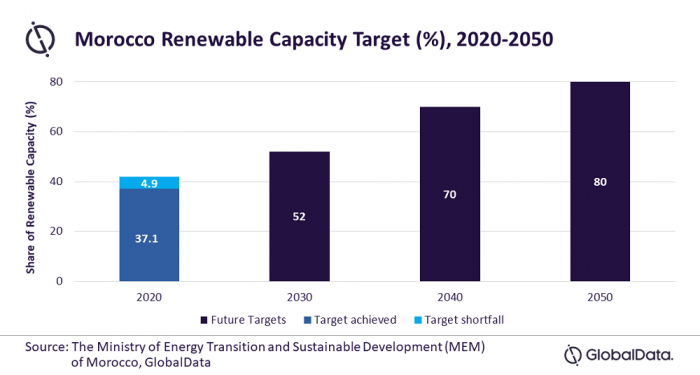
Conclusively, to accommodate a rise in green hydrogen production and support other net-zero goals, Morocco aims to increase renewables’ share of power generation to 52 percent by 2030, 70 percent by 2040, and 80 percent by 2050.
The Nigerian government can try to adopt some of the strategy to make the net-zero target a reality in Nigeria, failure of which will make things werserrrr (A Nigerian slang tantamount to worser). While Morocco is at the forefront of every African Nation in the production of green hydrogen to abate global warning, Nigeria can still compete with its counterparts by taking wevey reasonable step to curb carbon emission.
[2] Chapungu, L.; Nhamo, G.; Chikodzi, D.; Maoela, M.A. BRICS and the Race to Net-Zero Emissions by 2050: Is COVID-19 a Barrier or an Opportunity? J. Open Innov. Technol. Mark. Complex. 2022, 8, 172. <https://www.mdpi.com/2199-8531/8/4/172#B7-JOItmC-08-00172>
In light of the competitive business environment, it has become imperative for Beverage companies to protect their industrial designs not only to harness their Intellectual property right for their economic development but also to deter other companies from using them.
In today’s competitive business environment, beverage companies must protect their industrial designs from being used by competitors. Protective rights of beverage companies for their industrial designs are one of the most important intellectual property assets that they possess. This article will discuss the law of tort and intellectual property on the protective rights of beverage companies for their industrial designs. Concepts like passing off as an unfair competition shall be looked into under tort law, while concepts like trade dress, trademarks, and patents shall be looked into under intellectual property.
The WIPO defines industrial designs as “the ornamental aspect of an article which may consist of three-dimensional features, such as the shape of an article, or two-dimensional features, such as patterns, lines, or color.” From this definition, it could be deduced that Industrial designs are the visual characteristics of a product, such as its shape, configuration, or ornamentation, that make it aesthetically appealing. It is trite that companies have different industrial designs, which contributes to the distinctiveness of the products they produce. Hence, a company in other to gain this distinctiveness must maintain an entirely different industrial design.
The beverage company has been provided with legal protection from tort law and intellectual property law to guard against unauthorized replication of their industrial design. If the design is copied, the original owner of the design will be eligible for compensation. Additionally, the law can be utilized to issue a restraining order to the other company to keep them from further utilizing the industrial design of the beverage company.
The following are ways in which the law of torts and intellectual property law can protect and shield the beverage company from having their industrial design replicated without authorization:
Under Tort law: Passing off Passing off is a tort, or civil wrong, which is committed when one person passes off their goods or services as those of another. It is a form of misrepresentation which occurs when a person or company misrepresents the origin of goods or services, or creates the impression that goods or services are associated with or endorsed by another person or company. Passing off is a common law tort, meaning that it is not created by statute, but rather by the courts.
For example, a zobo seller may pass off their product as a Coca-Cola product, by labelling it with a similar logo or name, or advertising it as a Coca-Cola product. This would be an example of passing off, as the seller would be misrepresenting the origin of the product in a way that causes confusion or misleads consumers. In this case, Coca-Cola may be able to sue the zobo seller for passing off, as the seller has infringed on Coca-Cola’s industrial designs by creating a confusingly similar product.
1. Trademark: A trademark is a unique sign, name, word, phrase, logo, or design used to identify and differentiate the products and services of one company from those of another. It is a form of intellectual property and helps to protect a company’s brand identity. Trademarks can be used to protect a variety of products, including beverages. For example, a beverage company may use a unique logo or slogan to distinguish its product from other beverage companies. The company can apply for trademark registration to help protect its industrial design from competitors. This trademark registration will allow the company to demonstrate that it owns the exclusive rights to use and control the logo or slogan for its beverage product.
2. Patent: A patent is a form of intellectual property protection that is granted by a government to an individual or company for a period of time. It gives the recipient exclusive rights to exploit and commercialize an invention or a new product or process. In the case of a beverage company and their industrial design, the patent grants them exclusive rights to make, use, and sell the product. This prevents other parties from using the same design or process to create a similar product and sell it. It also prevents competitors from copying the design and selling it as their own. This type of legal protection helps the beverage company maintain their competitive advantage in the marketplace.
3. Trade dress: Tradedress is a type of trademark protection that applies to product designs or elements of a product’s packaging. It refers to the overall look and feel of the product, including the size, shape, colour, texture, and other visual aspects. It is generally used to protect a trademark, such as a logo or design, from competitors who may try to copy the look and feel of a product. In the case of a beverage company, tradedress can be used to protect their industrial design from zobo sellers who may try to copy their product’s packaging. This type of protection helps to ensure that the beverage company’s product is easily recognizable and distinguishable from competitors.
In conclusion, intellectual property and tort law provide beverage companies with effective legal tools to protect their designs and ensure that their hard work and creativity are rewarded. These laws offer strong protection against infringement, allowing companies to remain competitive in the market and benefit from the value of their creations. By utilizing both these legal tools, beverage companies can ensure the success of their products and the continued growth of their business.
Tijani Salaudeen is a third-year student of the Faculty of Law, Lagos State University. Contact him through this mail: tijanisalaudeen2020@gmail.com
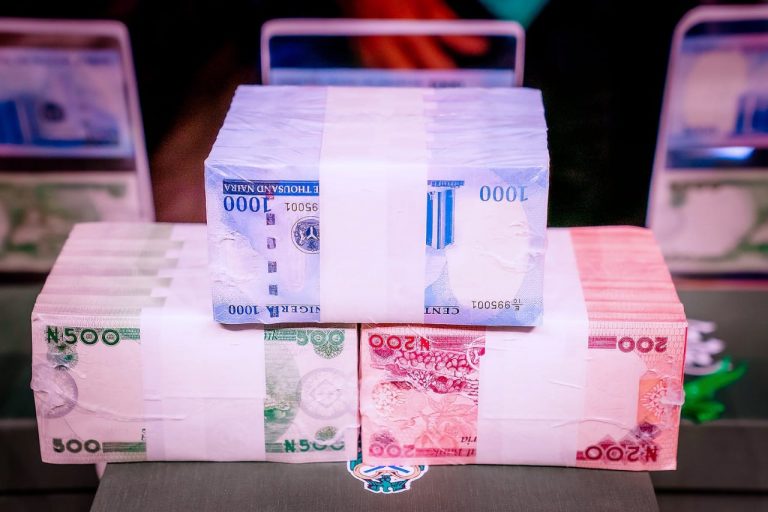
On the 23rd of November, 2022, President Muhammadu Buhari launched the redesign of the Naira note following the recommendation by the Central Bank of Nigeria. There was a rumour spreading every nooks and crannies that the rationale behind the adoption of the swift change of the Naira note is because the election is fast approaching and the government intended to curb every form of corruption & Bribery on the part of the candidates aspiring to hold political offices. On a contrary note, some persons asserted that the reason for the change of the legal tender is to regulate the outflow of money in the country, which they presume will abate inflation. However, this writer is not a sorcerer who could deduce the rationale behind the change of the Naira note. As a matter of fact, the crux of this writeup is to examine the impact of the change of the Naira note on the Nigerian economic sector and by extension, the apparent effect on the lives of Nigerians. Essentially, has it done more good than harm or is it the converse situation?
AN EXAMINATION OF RELEVANT STATORY PROVISIONS WITH RESPECT TO THE POWER TO CHANGE THE NAIRA NOTE









 Law code hub